Trends in Remote Work and Global Hiring
Last Updated on 2 years ago by International Employment Specialists
The landscape of work is evolving rapidly, with remote work and global hiring becoming more prevalent than ever. Driven by technological advancements, shifting workforce expectations, and the globalization of business, these trends are reshaping how companies operate and attract talent. Here’s a closer look at the key trends in remote work and global hiring.
1. Growth of Remote Work
- Permanent Remote Work Options: What started as a necessity during the COVID-19 pandemic has transformed into a preferred mode of work for many. Companies are increasingly offering permanent remote work options, allowing employees to work from anywhere in the world. This shift not only caters to employee preferences but also enables businesses to reduce overhead costs associated with maintaining physical office spaces.
- Hybrid Work Models: The hybrid work model, where employees split their time between remote work and office work, is becoming the norm. This flexible approach allows companies to retain the benefits of in-person collaboration while offering the convenience of remote work.
- Digital Nomadism: The rise of remote work has given birth to the digital nomad lifestyle, where employees or freelancers work while traveling the world. This trend is particularly popular among younger generations who value experiences and flexibility. Employers are increasingly accommodating digital nomads, recognizing the importance of work-life balance in attracting top talent.
2. Expanding Talent Pools
- Global Talent Acquisition: Remote work has effectively erased geographical boundaries, enabling companies to tap into talent pools from around the world. This expansion allows businesses to access a diverse range of skills and perspectives, enhancing innovation and problem-solving capabilities.
- Inclusive Hiring Practices: With the ability to hire from anywhere, companies are adopting more inclusive hiring practices, focusing on skills and qualifications rather than location. This shift is helping to bridge gaps in employment opportunities for individuals in underrepresented regions or those with limited access to traditional job markets.
- Time Zone Management: As companies hire globally, managing time zones has become a critical consideration. Businesses are implementing strategies to accommodate different time zones, such as flexible working hours, asynchronous communication, and scheduling tools that optimize collaboration across regions.
3. Technological Advancements
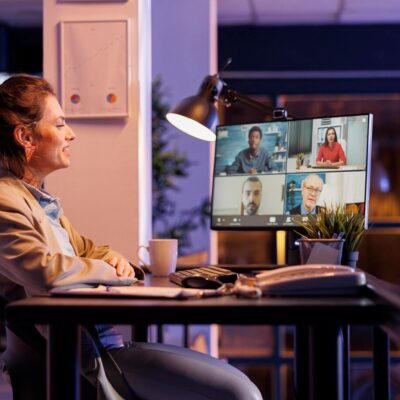
- Collaboration Tools: The proliferation of collaboration tools like Slack, Microsoft Teams, and Zoom has made remote work more efficient and effective. These tools enable real-time communication, project management, and file sharing, bridging the gap between remote and in-office employees.
- Virtual Reality (VR) and Augmented Reality (AR): Emerging technologies like VR and AR are poised to revolutionize remote work by creating immersive virtual workspaces. These technologies can simulate in-person meetings and collaborative environments, making remote work feel more connected and engaging.
- AI and Automation: Artificial intelligence (AI) and automation are streamlining various aspects of remote work, from candidate screening in global hiring processes to automating repetitive tasks. These technologies free up time for employees to focus on higher-value work and enhance productivity across distributed teams.
4. Compliance and Legal Considerations
- Navigating International Labor Laws: As companies hire across borders, they must navigate a complex web of international labor laws, tax regulations, and employment standards. Ensuring compliance in multiple jurisdictions is a growing challenge, leading many companies to partner with Employer of Record (EOR) services to manage legal responsibilities.
- Data Security and Privacy: With remote work, the need for robust data security and privacy measures has become paramount. Companies are investing in secure communication channels, VPNs, and data encryption to protect sensitive information and comply with global data protection regulations.
- Employee Benefits and Compensation: Offering competitive compensation and benefits packages that align with local standards is crucial in global hiring. Companies are increasingly customizing benefits to meet the needs of employees in different regions, ensuring they remain attractive to top talent.
5. Evolving Workplace Culture
- Building a Remote-First Culture: Companies are recognizing the importance of cultivating a strong remote-first culture that prioritizes communication, collaboration, and inclusion. Regular virtual meetings, team-building activities, and transparent communication are key to maintaining employee engagement and morale in a remote work environment.
- Focus on Employee Well-Being: Remote work has highlighted the importance of employee well-being, with companies implementing initiatives to support mental health, work-life balance, and physical wellness. This includes offering flexible working hours, access to mental health resources, and promoting a culture of trust and autonomy.
- Diversity, Equity, and Inclusion (DEI): Remote work and global hiring present opportunities to enhance diversity, equity, and inclusion within organizations. By hiring from diverse backgrounds and geographies, companies can create more inclusive environments that reflect a wide range of perspectives and experiences.
6. Impact on Business Operations
- Cost Savings: Remote work can lead to significant cost savings for businesses by reducing expenses related to office space, utilities, and on-site amenities. These savings can be reinvested in employee development, technology, and other strategic areas.
- Scalability: Remote work enables companies to scale their operations more easily by hiring talent from around the world without the need for physical expansion. This scalability is particularly beneficial for startups and small businesses looking to grow quickly.
- Innovation and Agility: The flexibility and diversity that come with remote work and global hiring contribute to a more innovative and agile business environment. Companies can quickly adapt to changing market conditions, access new markets, and leverage diverse talent to drive growth.
The trends in remote work and global hiring are shaping the future of work, offering companies unprecedented opportunities to access talent, enhance flexibility, and drive innovation. By embracing these trends, businesses can create a more dynamic, inclusive, and resilient workforce that is well-equipped to thrive in a globalized economy.