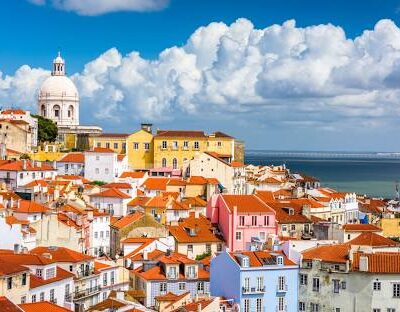
Employer of Record in Malta
General Information
- Currency: Euro (EUR)
- Employer Taxes: 10.00% or 49.97 EUR (flat rate per week)
- Payroll Frequency: Monthly
- Employee Costs: 10%
- Capital: Valetta
- Fiscal Year: 1 January – 31 December
Main Aspects of the Labour Code
Minimum Wage
General: As of 2023, the national minimum wage for full-time employees in Malta is as follows: €192.73 per week for employees aged 18 and older, €185.95 per week for 17-year-olds, and €183.11 per week for those under 17.
For part-time employees, the minimum wage is calculated pro-rata based on the hourly rate of a comparable full-time employee, as outlined in the relevant Wage Regulation Order.
A full-time minimum wage worker in Malta who is at least 18 years old and earns €192.73 per week will receive a total of €10,021.96 in their first year. After one year of employment, minimum wage earners will see their income increase by at least €3.00 per week, and by €6.00 per week after their second year of work.
Payroll
Payroll Cycle: Salaries are paid monthly on 25th of the month.
13th Salary
There are no provisions in the law regarding 13th salaries.
Working Hours
General: In Malta, a standard full-time workweek is 40 hours, typically divided into 8-hour days. According to the Wage Regulation Orders, the standard working hours are set at 40 hours per week, but employees should not exceed an average of 48 hours per week over a 17-week period.
Overtime: Overtime in Malta is governed by the Wage Regulation Order (WRO), which specifies different rules for various industries. Workers must provide written consent for overtime, which can be revoked at any time. If an employee is not covered by the WRO, overtime is paid at 150% of their regular hourly rate for hours worked beyond 40 in a week, averaged over a four-week period.
The income tax rate on qualifying overtime is 15% for amounts up to €10,000 in emoluments, rather than being limited to a maximum of 100 hours of overtime. Any overtime earnings above this threshold are subject to the standard income tax rates.
Leave
Annual Leave (Vacation):
Full-time employees working 40 hours per week are entitled to 24 working days of paid leave, with a pro-rata allocation for those not working full-time. According to the law, a minimum of four weeks of this leave cannot be substituted with any allowances, except in cases of employment termination.
Public Holidays
Public holidays falling on the weekend are added to the worker’s annual vacation allowance to be taken as days off in lieu.
Public Holidays
| Date | Day | Holiday |
| 1 Jan 2024 | Monday | New Year’s Day |
| 10 Feb 2024 | Saturday | Feast of St Paul’s Shipwreck |
| 19 Mar 2024 | Tuesday | St Joseph’s Day |
| 29 Mar 2024 | Friday | Good Friday |
| 31 Mar 2024 | Sunday | Freedom Day |
| 1 May 2024 | Wednesday | Workers’ Day |
| 7 Jun 2024 | Friday | Sette Giugno |
| 29 Jun 2024 | Saturday | Feast of Saints Peter and Paul |
| 15 Aug 2024 | Thursday | Assumption of Mary |
| 8 Sep 2024 | Sunday | Victory Day |
| 21 Sep 2024 | Saturday | Independence Day |
| 8 Dec 2024 | Sunday | Feast of the Immaculate Conception |
| 13 Dec 2024 | Friday | Republic Day |
| 25 Dec 2024 | Wednesday | Christmas Day |
Sick Days
Sick leave in Malta is governed by the Wage Regulation Order (WRO). For employees not covered by the WRO, the entitlement is two weeks (10 working days) of sick leave per year. After this period, employees may qualify for sickness benefits through Social Security. A medical certificate is required for all sick leave.
Maternity Leave
In Malta, maternity leave lasts for 18 weeks, beginning 4 weeks before the expected due date. Employees are required to take a minimum of 6 weeks off after giving birth. For the first 14 weeks, maternity benefit is paid at 100% of the regular salary by the employer, after which it is covered by Social Security.
Paternity Leave
There is no statutory paternity leave in Malta.
Parental Leave
Parents are entitled to four months of paid leave for the birth of a child, adoption, fostering, or general caregiving until the child turns 8. To qualify, employees must have been employed for a minimum of 12 consecutive months.
Other Leave
Depending on the terms of the collective agreement or employment contract, an employee may be eligible for additional types of leave, subject to mutual approval between the employer and employee. In Malta, employers are required to allow employees to take other statutory leave, including bereavement leave, marriage leave, parental leave, court witness leave, jury service leave, injury leave, and birth leave.
Taxation
Employer Payroll Contributions
|
10.00%
|
Social Security up to annual salaries of 27,679.00 EUR
|
|
10.00%
|
Total Employment Cost
|
Employer Payroll Contributions
|
10.00%
|
Social Security up to annual salaries of 27,679.00 EUR
|
|
10.00%
|
Total Employee Cost*
|
Employee Income Tax
|
0.00%
|
up to 9,100 EUR annually
|
|
15.00%
|
from 9,101 EUR to 14,500 EUR annually
|
|
25.00%
|
from 14,501 EUR to 19,500 EUR annually
|
|
25.00%
|
from 19,501 EUR to 60,000 EUR annually
|
|
35.00%
|
60,000.01 EUR and above annually
|
Employer of Record in Malta with Brain Source International
Brain Source International offers Employer of Record (EOR) services in Malta, allowing companies to hire employees without the need to establish a local entity. This service simplifies the hiring process by handling payroll, compliance, benefits, and other HR functions on behalf of the employer. By partnering with Brain Source International, businesses can efficiently expand their workforce in Malta while ensuring adherence to local labor laws and regulations.