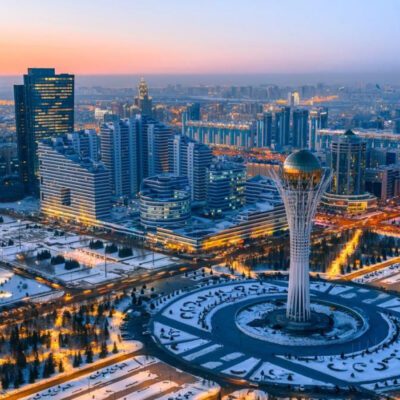
Employer of Record in Turkmenistan
一般信息
- 货币: Kyrgyzstani som (c) (KGS)
- 雇主税:
- 薪资频率:
- 员工费用:
- 首都: Ashgabat
- 财政年度:
《劳动法》的主要内容
最低工资
一般而言, As of recent updates, Turkmenistan does not have a national minimum wage. Wage levels are generally determined by individual employment contracts and negotiations between employers and employees. The lack of a statutory minimum wage means that pay rates can vary significantly depending on the sector, job role, and other factors.
薪资管理
薪资周期: In Turkmenistan, the payroll cycle is typically monthly. Employers are generally required to pay employees on a monthly basis, and salaries are usually disbursed at the end of each month.
第13薪资
In Turkmenistan, the payment of a 13th salary, or an annual bonus, is not a statutory requirement. However, some employers may choose to provide a 13th-month salary or an equivalent bonus as part of their compensation package, depending on company policy and employment contracts.
工作时间
一般而言, In Turkmenistan, the standard workweek typically consists of 40 hours, with a maximum of 8 hours per day. The specific working hours may vary based on the industry, company policies, and employment contracts.
Overtime: In Turkmenistan, overtime work is generally regulated by employment contracts and company policies. While specific regulations can vary, the general practice is that overtime is compensated at a higher rate than regular hours. It is important for employees and employers to refer to their employment agreements and local labor laws to determine the exact overtime compensation rates and conditions.
离开
年假(假期):
In Turkmenistan, employees are entitled to annual leave as stipulated by labor laws and employment contracts. Generally, the minimum annual leave entitlement is 21 calendar days. This leave can be taken in one or more parts, depending on the agreement between the employer and employee.
公共假日
公共假日
| 日期 | 假期 |
| 1月1日 | 新年第一天 |
| March 8 | International Women’s Day |
| May 18 | Turkmenistan’s Constitution Day |
| September 27 | 独立日 |
| December 12 | Neutrality Day |
| May 9 | 胜利日 |
| Kurban Bayram (Eid al-Adha) | Date varies based on the Islamic lunar calendar |
| Oruzgan Bayram (Nowruz) | March 21 |
病假
In Turkmenistan, employees are entitled to paid sick leave, though the specifics can vary depending on company policies and employment contracts. Generally, employees must provide a medical certificate to qualify for sick leave.
Key points about sick leave in Turkmenistan include:
- Medical Certification: Employees need to present a medical certificate from a healthcare provider to receive sick leave pay.
- Paid Sick Leave: The pay during sick leave is typically based on the employee’s regular salary, but specific arrangements may differ.
- Duration and Conditions: The exact duration and conditions for sick leave, including any maximum limits, are usually outlined in the employment contract or company policy.
For precise details regarding sick leave entitlements and procedures, employees should consult their employment contracts and local labor regulations.
产假
In Turkmenistan, the standard maternity leave entitlement is 56 calendar days, typically divided into 28 days before the expected due date and 28 days after childbirth.
Key Points About Maternity Leave in Turkmenistan:
- 持续时间: The total maternity leave is 56 calendar days, split equally before and after childbirth.
- 付款: During maternity leave, employees generally receive their full salary, but the exact details can depend on employment contracts and company policies.
- 资格: Maternity leave is typically available to all female employees who have been employed for a certain period before the start of their leave.
For the most accurate and detailed information, it’s important to refer to the employment contract or consult with the relevant local labor authorities.
产假
In Turkmenistan, there is no specific statutory provision for paternity leave. The availability and duration of paternity leave are generally determined by individual employer policies and employment contracts. As a result, paternity leave entitlements can vary widely depending on the company and its internal regulations.
For detailed information about paternity leave, employees should refer to their employment contracts or consult their employer.
育儿假
In Turkmenistan, there is no specific statutory provision for parental leave. Parental leave policies, including any additional leave beyond maternity leave, are generally determined by individual employer policies and employment contracts.
For detailed information regarding parental leave entitlements, employees should refer to their employment contracts or consult with their employer to understand any available options and conditions.
税收
雇主缴纳的工资税
雇主缴纳的工资税
员工所得税
Employer of Record in Turkmenistan with Brain Source International
一个 注册雇主(EOR) in Turkmenistan, such as 大脑源国际, provides businesses with a streamlined solution to hire employees in the country without setting up a local entity. As an EOR, Brain Source International takes on legal responsibilities, ensuring compliance with Turkmenistan’s labor laws, payroll regulations, and employment practices.
Key Services Offered by Brain Source International as an EOR in Turkmenistan:
- 合法雇主: Acts as the official employer, handling all employment-related legal requirements, while the client manages day-to-day work assignments for the employees.
- 薪资管理: Manages salary payments, tax deductions, and other withholdings in compliance with Turkmenistan’s regulations.
- 遵守当地法律: Ensures adherence to labor laws, including social security contributions, taxes, and employment contracts, reducing the risk of legal issues.
- 员工福利管理: Manages statutory benefits such as sick leave, annual leave, and maternity leave, ensuring full compliance with local requirements.
- 工作许可和签证: Assists with obtaining work permits and visas for foreign employees, simplifying the hiring of international staff.
- Termination Handling: Manages terminations in accordance with local labor laws, ensuring legal compliance and mitigating risks.
By partnering with Brain Source International as an EOR, companies can expand into Turkmenistan with minimal administrative burdens, allowing them to focus on business operations while ensuring full legal compliance.