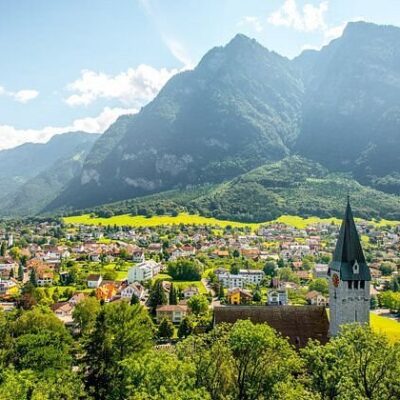
Employer of Record in San Marino
Allgemeine Informationen
- Währung: Euro (€)
- Arbeitgebersteuern:
- Arbeitszeitfrequenz: Monatlich
- Arbeitskräftekosten:
- Hauptstadt: San Marino City
- Finanzjahr: 1. Januar – 31. Dezember
Hauptaspekte des Arbeitsrechts
Mindestlohn
Allgemein: San Marino does not have a legally mandated minimum wage. Instead, wages are generally determined through collective bargaining agreements in various sectors. These agreements set the minimum pay rates for specific industries and occupations.
As a result, wages can vary depending on the sector, job role, and individual contracts. If you’re looking for information about average wages or specific agreements in a particular sector, let me know!
Lohnbuchhaltung
Lohnabrechnungszyklus: In San Marino, the typical payroll cycle is monthly. Employers usually pay their employees at the end of each month for the work performed during that period.
Key Points:
Payroll Reporting: Employers must maintain accurate payroll records and comply with reporting requirements to local authorities.
Zeitpunkt der Zahlung: Salaries are generally disbursed at the end of the month, often by the last working day.
Abzüge: Employers are responsible for withholding income taxes and social security contributions from employee salaries.
13. Gehalt
In San Marino, the concept of a 13th salary (or a Christmas bonus) is not mandated by law, but it is commonly practiced in many sectors. Here are the key points:
- Common Practice: Many employers provide a 13th salary, typically paid in December, as a bonus for employees.
- Amount: The 13th salary usually equates to one month’s salary, although the exact amount can vary depending on company policy or collective bargaining agreements.
- Tax ImplicationsDas 13. Gehalt ist einer Einkommensteuer und Sozialversicherungsbeiträgen unterworfen, ähnlich wie bei regulären Gehaltszahlungen.
If you’re considering employment in San Marino or negotiating contracts, it’s a good idea to clarify whether a 13th salary is included in the compensation package.
Arbeitszeit
Allgemein: In San Marino, the standard working hours are typically set at 40 Stunden pro Woche, generally distributed over five days (Monday to Friday), with an 8-hour workday.
Verlassen
Urlaub (Urlaub):
In San Marino, employees are entitled to a minimum of four weeks (20 working days) of paid annual leave. Here are the key points regarding annual leave:
Feiertage: Annual leave entitlement is separate from public holidays, which are additional days off.
Verbuchung: Vacation days typically accrue over the course of the year, and employees can usually take their leave after completing a certain period of service.
Scheduling: Employees must request their annual leave in advance, and employers should accommodate these requests based on operational needs.
Carry Over: If unused, vacation days may generally be carried over to the following year, but there are limits on how long they can be carried over, typically up to 18 months.
Payment upon Termination: If an employee leaves the company, any accrued but unused vacation days are usually compensated in their final paycheck.
Feiertage
Feiertage
| Datum | Urlaub |
| 1. Januar | Neujahrstag |
| 6. Januar | Epiphany |
| Date varies | Ostersonntag |
| Date varies | Ostermontag |
| 1. Mai | Tag der Arbeit |
| September 3 | Tag der Republik |
| 15. August | Marienerscheinung |
| 1. November | All Saints’ Day |
| 25. Dezember | Weihnachten |
| 26. Dezember | Tag des Heiligen Stephanus |
Arbeitsunfällen
In San Marino, employees are entitled to sick leave under specific conditions. Here are the key points regarding sick days:
Accrual of Leave: Sick leave does not usually affect an employee’s annual leave entitlement.
Dauer: Employees can take sick leave for the duration of their illness, but they must provide a medical certificate to their employer.
Schadensersatz: Sick pay is typically provided through the social security system. For the first few days of illness, compensation may be around 50% of the salary, and this can increase to around 100% after a certain period, depending on the length of the sick leave.
Benachrichtigung: Employees must notify their employer as soon as possible about their illness and provide the necessary medical documentation.
Arbeitsplatzschutz: Employees are generally protected from dismissal during their sick leave, ensuring they can return to their position after recovery.
Maternity Leave
In San Marino, maternity leave is designed to support new mothers during and after pregnancy. Here are the key points regarding maternity leave:
Arbeitsplatzschutz: Employees are entitled to return to their job or an equivalent position after their maternity leave ends.
Dauer: Maternity leave typically lasts for five months. This can be taken before and after the birth, with a minimum of two months to be taken after the birth of the child.
Zahlung: During maternity leave, mothers are entitled to receive compensation through the social security system, which is generally around 100% of their salary.
Eligibility: To qualify for maternity leave benefits, mothers typically need to have contributed to the social security system for a specified period prior to the birth.
Benachrichtigung: Expectant mothers must inform their employers about their pregnancy and intended maternity leave, usually providing notice as early as possible.
Vaterschaftsurlaub
In San Marino, paternity leave is part of the broader family leave policies. As of the latest updates, fathers are entitled to take time off following the birth of their child. Generally, new fathers can take up to 10 days of paid leave, which must be taken within the first month after the birth.
In addition to this, there may be provisions for additional unpaid leave or flexible working arrangements. It’s also advisable to check with specific employers, as some may offer more generous leave policies.
Steuern
Arbeitgeberbeiträge in der Lohnabrechnung
Arbeitgeberbeiträge in der Lohnabrechnung
Lohnsteuer für Arbeitnehmer
Employer of Record in San Marino with Brain Source International
Mit einem Arbeitgeber der Wahl (EOR) service like Brain Source International in San Marino can help streamline the hiring and employment process. Here are some key benefits and considerations:
Benefits of Using an EOR:
- Compliance: An EOR ensures compliance with local labor laws and regulations, minimizing legal risks for companies operating in San Marino.
- Lohnmanagement: The EOR handles payroll processing, tax withholding, and social security contributions, ensuring accurate and timely payments.
- Recruitment Assistance: They can assist in recruiting local talent, managing the onboarding process, and ensuring that all necessary employment documentation is in order.
- Arbeitnehmerleistungen: The EOR can provide access to local employee benefits, including health insurance and retirement plans, which can help attract and retain talent.
- Market Entry: Using an EOR allows companies to enter the San Marino market without needing to establish a local entity, making it easier for short-term projects or testing market viability.
Considerations:
- Costs: Be aware of the fee structure associated with the EOR service, which may vary based on the services offered.
- Control: While the EOR manages employment contracts, you will still need to oversee employee performance and day-to-day operations.
- Lokale Expertise: Ensure that Brain Source International has a strong understanding of the labor market and regulations in San Marino.
If you’re interested in specific services or need more detailed information, it would be beneficial to discuss your requirements directly with Brain Source International.